Peptide Testing Hplc & Uplc
How To Review A Peptide Certificate Of Analysis Coa: Uk Researcher's Guide 2026
Supplier-provided COAs from in-house testing lug integral conflicts of rate of interest. Third-party COAs from approved independent research laboratories use better reliability. When only internal COAs are offered, verify the distributor's credibility with area testimonials and take into consideration independent screening for important applications. HPLC divides the peptide example right into its constituent components based on their chemical residential or commercial properties, creating a chromatogram that presents peaks corresponding to various compounds present. The main peak represents the target peptide, while smaller sized peaks show contaminations, synthesis results, or destruction items.What Is Peptide Content?
Introduction of the research laboratory workflow used to confirm peptide study substances via logical testing and documented certificates of analysis. A peptide CoA assists validate the item's identification, showing important details like pureness and test results. This becomes much more essential in January, when lots of labs go back to complete schedules after the holiday break. With research study reactivating, having proper paperwork in position indicates less time double-checking and even more time concentrated on the research study itself. A trustworthy CoA consists of batch-specific data, analytical techniques, chromatograms or spectra, testing days, lab certification, and third-party verification where suitable. Distinctions between third-party laboratory outcomes and reported pureness are generally because of variations in logical methodology.Genuine research laboratories keep sites with proven physical addresses and accreditation certifications. For most study applications, minimal 95% pureness is acceptable, though 98% or greater is more effective for applications calling for greater accuracy. Pharmaceutical-grade peptides commonly go beyond 99% pureness but command dramatically higher rates.
Mass Spectrometry Verification
Significant quality control needs validated raw peptide product, regulated production processes, and batch-level documents before vialing. Absolutely, all peptides available are supported by batch-specific analytical data and a corresponding Certification of Analysis (CoA). This web page supplies accessibility to one of the most current CoA for every product currently listed.
- Interior quality control is necessary, but it does not eliminate bias.
- While the exact design may vary between laboratories, the majority of COAs include similar core parts.
- Missing or insufficient information, particularly missing set numbers, testing days, or lab recognition, recommends potential construction.
- For protection purposes, please solve this basic puzzle to validate you are human before sending an OTP.
In easy terms, it is a logical technique commonly utilized to assess peptide pureness by dividing components in an example and approximating just how much of the example matches the main target compound. Chromatograms show heights representing observable molecular components in an example. During peptide purity testing, the main top usually corresponds to the target substance, while smaller optimals might represent extra obvious parts. Third-party screening describes logical verification carried out by an independent research laboratory. When third-party tested peptides are examined externally, the testing company runs individually from the Protein Science supplier of the compound.

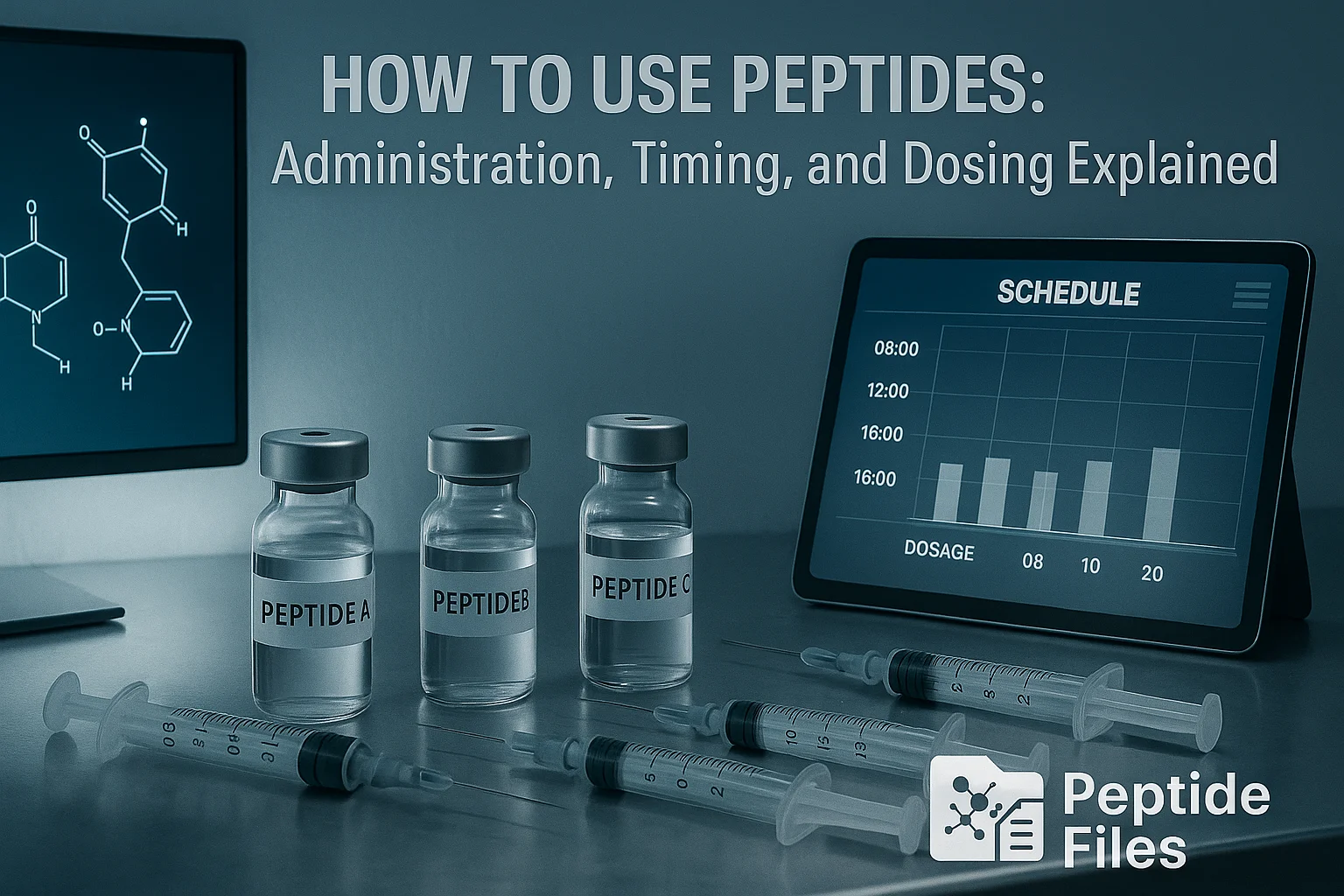
Pureness dimensions for research peptides are frequently determined using logical methods such as high-performance liquid chromatography. These techniques different chemical parts in an example so research laboratories can examine obvious molecular signals. Mass spectrometry aids verify the molecular identification of peptide research study substances by contrasting gauged mass signals with anticipated molecular weight. The reported purity shows the percentage of the discovered compound relative to various other detectable components in the example.
Each COA is independently examined with Janoshik Analytical and Trustpointe Analytics, verifying batch purity, fill weight, and compound identity. Each Certification of Evaluation undergoes a substantial examination process to confirm item honesty. This report describes vital details such as substance identification, set number, and molecular structure confirmation. Additionally, our COAs have arise from HPLC-MS testing, which confirms the identity of the substance via specific logical techniques. Even with a clear process in position, it's simple to miss out on small information, particularly for labs managing peptides in cooler climate.By methodically reviewing purity data, identity confirmation, and pollutant screening results, you can make informed decisions concerning product reputation and distributor dependability. Within the peptide industry, purity levels over 90-- 95% are typically considered high for research-grade products. Our inner testing aims for a baseline of 99.1% pureness utilizing confirmed HPLC techniques, and most of our batches satisfy or exceed this degree.