Peptide Reconstitution, Storage & Dealing With Overview
Peptide Reconstitution Overview Solvents, Strategies & Laboratory Security Prg The extended security and minimized contamination Click here to find out more risk much exceed the marginal cost difference. Never use tap water, pure water, or any kind of non-pharmaceutical-grade solution. Each withdrawal from a peptide vial requires a fresh, sterilized syringe. You'll need 2 distinctive syringe kinds for peptide work. The very first, bigger syringe takes care of reconstitution jobs. A 3mL Luer-Lock syringe with an 18-gauge or 23-gauge needle efficiently draws bacteriostatic water from its container. For the majority of applications, reconstituting to attain concentrations between 1-5mg per milliliter of solution functions well. This variety equilibriums accuracy with practical volume constraints. A 5mg peptide reconstituted with 2mL of bacteriostatic water yields a 2.5 mg/mL (or 2,500 mcg/mL) focus. For cruise ships and hotels, mark a personal drawer or lockable instance and shop far from straight light. Maintain documents (tags, prescriptions) with the package for smooth re-boarding and customizeds discussions. For long days out, wrap vials in a nontransparent sleeve or location them in a dark area. Change labels that show wear; a clear tag is necessary for security and monitoring. Stay clear of solvents on tags and caps; use a completely dry, tidy towel for routine wipe-downs. Comprehending these deterioration paths permits laboratories to develop storage space strategies that minimise instability and maintain peptide stability for analytical and experimental applications. Some peptides are inherently much more irritating than others. Yellowing indicates oxidation, often affecting tryptophan or tyrosine residues. This destruction is permanent and lowers peptide potency. Visible bits could be precipitated peptide, rubber fragments from coring, or exterior contamination. Despite resource, particulate solutions shouldn't be used. This is specifically damaging for hydrophobic peptides and long series. Peptides gotten by SPPS are usually purified by the preparative RP-HPLC. The HPLC purity of a lot of our peptides is 95% or above. The lower purities might be expected for peptides including free Cys, an N-terminal Gln, or sulfated peptides. The pureness can be improved with the optimized synthetic and filtration techniques.
What negates peptides?
Salicylic acid''s scrubing action may destabilize the peptides, lessening their skin-repairing benefits. Suggestion: To prevent any interaction, use salicylic acid and peptide products at various times. For example, integrate salicylic acid in your morning routine and peptides in your night routine.
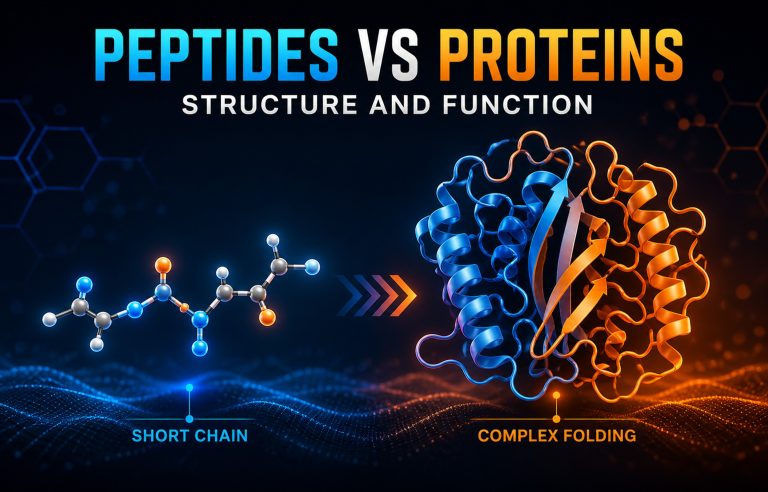
Typical Peptide Amounts And Concentrations
This guide responds to the most regularly asked concerns regarding peptide vials, from common dimensions to storage guidelines and safety and security precautions. Peptides are popular temperature-sensitive molecules. Optimum peptide storage space temperature level differs by peptide kind, but the majority of gain from storage at-- 20 ° C or reduced for lasting preservation [1] Refrigeration at 2-- 8 ° C may be acceptable for short-term usage. However, variations in temperature and repeated freeze-thaw cycles can speed up peptide degradation and aggregation. To prevent this, it's finest to aliquot peptide vials into single-use sections.Temperature Level Control: Cold Isn't Constantly Sufficient
- Peptide storage at heats can trigger biological ramifications such as architectural adjustments, loss of task, or perhaps coming to be unsafe.
- Aspartic acid (Asp)-- specifically Asp-Pro motifs-- is specifically hydrolysis-prone.
- Return reconstituted peptides to refrigerated storage promptly after use.
- Kisspeptin-10 options can normally be gotten rid of as routine chemical waste according to your institutional procedures.
- Consider the motion you would certainly make use of swirling a glass of wine in a glass.
Sophisticated Security Enhancement Methods
Select your substance and enter the reconstitution date to see projected expiry, days continuing to be, and existing condition. Peptides in identified research vials are usually allowed in carry-on travel luggage. Pipette solvent down the wall of the vial-- not straight onto the powder.